Cleaning teeth entails removing stains, plaque, and tartar from their surfaces and is a crucial part of dental hygiene. Maintaining optimal dental health and preventing oral diseases like cavities, gum disease, and bad breath requires taking this crucial preventive action. Maintaining the health of the gums and teeth through routine cleaning helps to maintain their appearance and functionality.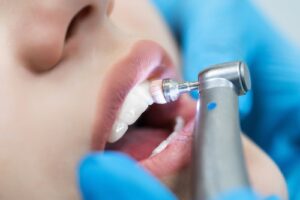
A dental hygienist or dentist will use specialized instruments to remove tartar and plaque buildup from the surfaces of the teeth during a professional teeth cleaning, particularly from difficult-to-reach areas like the gum line and spaces between teeth. If plaque, a sticky layer of bacteria, is not routinely removed from the teeth, it can cause gum disease and tooth decay. Tartar, also referred to as calculus, is a form of hardened plaque that needs to be professionally cleaned because it cannot be removed by brushing alone.
Teeth cleaning includes not only removing plaque and tartar from the teeth but also polishing them to remove surface stains and leave a smooth, glossy surface. This enhances the teeth’s aesthetics and increases the difficulty of plaque clinging to the tooth surfaces in the future. A revolving brush or rubber cup filled with polishing paste is usually used for polishing teeth. This method gently buffs away stains without causing any harm to the enamel.
In addition to cleaning your teeth, the dentist can give you personalized advice on how to maintain good oral hygiene, which includes brushing and flossing. To address any specific issues or conditions, like sensitivity or gum inflammation, they might suggest certain dental products, like toothpaste or mouthwash.
Though the frequency may vary based on individual factors like oral health status, risk factors for oral diseases, and personal hygiene habits, routine teeth cleaning appointments are generally advised every six months. Some people, like those receiving orthodontic treatment or those with a history of gum disease, might need more frequent cleanings.
For best dental health, a regular at-home oral hygiene regimen is crucial in addition to professional teeth cleaning. This entails using fluoride toothpaste to brush teeth at least twice a day, flossing every day to get rid of food particles and plaque in between teeth, and using mouthwash to help kill germs and freshen breath.
In general, maintaining dental health and avoiding dental issues greatly depend on routine teeth cleaning. Professional cleanings help to maintain a healthy smile and lower the risk of cavities, gum disease, and other oral health problems by removing plaque, tartar, and stains from the teeth. A lifetime of healthy teeth and gums can be achieved with routine teeth cleaning sessions in addition to practicing good oral hygiene at home.