Removable dental devices called dentures are used to replace lost teeth and surrounding tissue. They replicate the look and feel of real teeth because they are made to order to fit snugly and securely in the mouth. People who have lost all or most of their teeth as a result of trauma, gum disease, aging, or decay frequently use dentures.
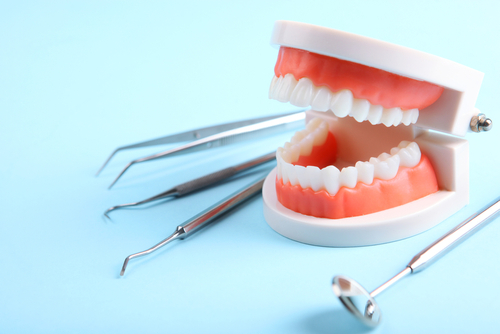
Complete dentures and partial dentures are the two primary types of dentures. When no natural teeth remain, complete dentures are used; when some natural teeth are still present, partial dentures are used. Durable materials like acrylic resin, porcelain, or a combination of materials are used to make both kinds of dentures.
A complete set of prosthetic teeth mounted on an acrylic base that is gum-colored and sits right on the gums makes up a complete denture. They can be taken out for cleaning and sleeping and are secured in place with dental adhesive or suction. Complete dentures enable normal speaking and chewing functions while restoring the appearance of a full smile.
Conversely, partial dentures are intended to preserve any natural teeth that may still be present while replacing one or more missing teeth. They are made up of prosthetic teeth affixed to an acrylic base or metal framework that snaps onto the neighboring natural teeth to provide support. In addition to filling in the spaces left by lost teeth, partial dentures keep the remaining teeth from drifting out of position.
Usually, receiving dentures requires multiple visits to the dentist or prosthodontist. In the first consultation, the dentist will evaluate the patient’s oral health and go over available treatment options in light of their preferences and needs. Measurements and impressions of the mouth are taken if dentures are recommended in order to guarantee a good fit and functionality.
The patient returns for a fitting session after the dentures are made in a dental laboratory. In order to guarantee that the dentures fit securely and comfortably, the dentist will make any necessary adjustments. The patient may need some time to get used to wearing dentures because they may feel heavy or awkward at first. However, most people adjust to wearing dentures fairly quickly with practice and the right maintenance.
For denture wearers to maintain optimal fit, functionality, and oral health, routine dental examinations are crucial. The fit of dentures may alter with time due to changes in the gums and jawbone, requiring relining or adjustments to ensure stability and comfort. Additionally, to avoid oral health problems like gum disease and bad breath, dentures should be cleaned every day to get rid of bacteria, food particles, and plaque.
All things considered, dentures provide a useful and efficient way to replace lost teeth and restore oral health and aesthetics. Thanks to developments in dental technology and materials, dentures today are more natural-looking, comfortable, and long-lasting than ever. Denture wearers can have a confident and comfortable smile for many years to come by maintaining good oral hygiene and working closely with a dentist.