Author: white

Gum Disease: Recognizing and Avoiding a Quiet Danger

A prevalent but sometimes disregarded oral health concern that affects the gums and surrounding tissues is gum disease, also referred to as periodontal disease. Inflammation, infection, and, in extreme situations, damage to the supporting bone structure result from the buildup of plaque, a sticky layer of bacteria, on the teeth and gums. Gingivitis is the first stage of gum disease, which advances to periodontitis if left untreated.

The first stage of gum disease, gingivitis, is typified by bleeding, swelling, and redness of the gums, especially when brushing or flossing. With good oral hygiene and expert dental treatment, the condition can be reversed at this point. Gingivitis can develop into periodontitis, a more serious kind of gum disease, if treatment is not received. The gums separate from the teeth due to periodontitis, creating pockets that collect debris and bacteria. Bone loss, tooth movement, and eventually tooth loss may result from this.

Poor oral hygiene, smoking, heredity, hormonal fluctuations, and certain medical disorders like diabetes are some of the variables that raise the risk of gum disease. Periodontal disease can also occur as a result of medications that alter the gums or decrease salivary flow. Since gum disease frequently develops silently and painlessly in its early stages, it is imperative to recognize the early warning signals.

The first step in preventing gum disease is practicing proper dental hygiene. Plaque can be removed and its accumulation prevented by using an antimicrobial mouthwash, brushing twice a day with fluoride toothpaste, and flossing often. Tartar, a hardened form of plaque that cannot be removed with brushing alone, must also be removed by routine dental cleanings and examinations.

Treatment options for people who already have gum disease differ according on how severe the issue is. Early on, scaling and root planing, a professional cleaning procedure, can eliminate plaque and tartar from both above and below the gum line, accelerating healing and lowering inflammation. In more advanced cases, surgery may be necessary, such as bone regeneration techniques, pocket reduction surgery, or gum transplants. If you do need this, we recommend Infinity Dental Wellness.

The course of gum disease can be considerably influenced by lifestyle modifications in addition to expert therapy. Gum strength and general dental health can be supported by quitting smoking, controlling stress, and eating a nutritious diet high in vitamins and minerals, especially calcium and vitamin C.

Gum disease can have detrimental effects on oral health if left untreated. Studies have connected systemic diseases like diabetes, heart disease, stroke, and respiratory infections to periodontal disease. These problems are thought to be exacerbated by gum disease’s inflammation, which emphasizes how critical it is to treat the ailment as soon as possible.

Gum disease is a curable and preventable ailment that calls for proactive care and attention to detail. People can safeguard their gums, maintain their smiles, and advance their general health by emphasizing oral cleanliness, getting regular dental care, and addressing risk factors.
Benefits of Dentures

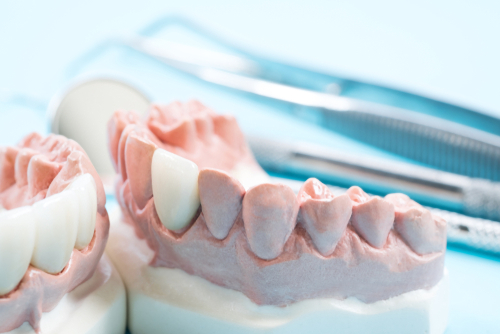
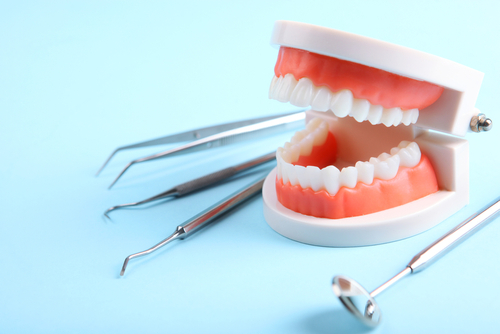
Removable dental devices called dentures are used to replace lost teeth and surrounding tissue. They replicate the look and feel of real teeth because they are made to order to fit snugly and securely in the mouth. People who have lost all or most of their teeth as a result of trauma, gum disease, aging, or decay frequently use dentures.

Complete dentures and partial dentures are the two primary types of dentures. When no natural teeth remain, complete dentures are used; when some natural teeth are still present, partial dentures are used. Durable materials like acrylic resin, porcelain, or a combination of materials are used to make both kinds of dentures.

A complete set of prosthetic teeth mounted on an acrylic base that is gum-colored and sits right on the gums makes up a complete denture. They can be taken out for cleaning and sleeping and are secured in place with dental adhesive or suction. Complete dentures enable normal speaking and chewing functions while restoring the appearance of a full smile.

Conversely, partial dentures are intended to preserve any natural teeth that may still be present while replacing one or more missing teeth. They are made up of prosthetic teeth affixed to an acrylic base or metal framework that snaps onto the neighboring natural teeth to provide support. In addition to filling in the spaces left by lost teeth, partial dentures keep the remaining teeth from drifting out of position.

Usually, receiving dentures requires multiple visits to the dentist or prosthodontist. In the first consultation, the dentist will evaluate the patient’s oral health and go over available treatment options in light of their preferences and needs. Measurements and impressions of the mouth are taken if dentures are recommended in order to guarantee a good fit and functionality.

The patient returns for a fitting session after the dentures are made in a dental laboratory. In order to guarantee that the dentures fit securely and comfortably, the dentist will make any necessary adjustments. The patient may need some time to get used to wearing dentures because they may feel heavy or awkward at first. However, most people adjust to wearing dentures fairly quickly with practice and the right maintenance.

For denture wearers to maintain optimal fit, functionality, and oral health, routine dental examinations are crucial. The fit of dentures may alter with time due to changes in the gums and jawbone, requiring relining or adjustments to ensure stability and comfort. Additionally, to avoid oral health problems like gum disease and bad breath, dentures should be cleaned every day to get rid of bacteria, food particles, and plaque.

All things considered, dentures provide a useful and efficient way to replace lost teeth and restore oral health and aesthetics. Thanks to developments in dental technology and materials, dentures today are more natural-looking, comfortable, and long-lasting than ever. Denture wearers can have a confident and comfortable smile for many years to come by maintaining good oral hygiene and working closely with a dentist.

Oral Cancer Screening

In order to detect signs of oral cancer or precancerous conditions at the earliest stages, when treatment is most effective, oral cancer screening is a preventive measure. In order to find any anomalies or suspicious lesions that might point to the existence of oral cancer, a complete examination of the mouth is performed, covering the lips, gums, tongue, cheeks, palate, and throat.

Finding possible early indicators of oral cancer is the main objective of screening for the disease, either before symptoms appear or the cancer has spread to a more advanced stage. For those with an oral cancer diagnosis, early detection greatly improves prognosis and increases the likelihood of a successful course of therapy. Early detection of oral cancer often results in a better prognosis and increased responsiveness to treatment.

A dental or oral surgeon, for example, will visually examine the tissues inside the mouth to look for any abnormalities, such as lumps, bumps, sores, or discolored patches, during an oral cancer screening. In order to find any anomalies in texture or consistency, they might also palpate or feel the tissues. To help identify abnormal tissues, certain diagnostic tests and screening methods, like fluorescence visualization or toluidine blue staining, may be employed.

Oral cancer is more likely to occur in those who have one or more risk factors, so routine screenings for the disease may be beneficial. These risk factors include exposure to the human papillomavirus (HPV), heavy alcohol consumption, a history of precancerous lesions or oral cancer, and tobacco use (including smoking and smokeless tobacco).

Depending on personal risk factors and medical professionals’ recommendations, the frequency of oral cancer screenings may change. It may be advised to screen more frequently for people who are at higher risk, such as smokers or those with a family history of oral cancer. For the majority of people, routine dental examinations, which usually include an oral cancer screening as part of the examination, are advised every six months.

It is imperative that people take charge of their oral health and notify their healthcare provider right away of any worrisome symptoms, such as chronic hoarseness, difficulty swallowing or chewing, or changes in the appearance of oral tissues. Effective management of oral cancer and better outcomes for those impacted by the disease depend on early detection and prompt intervention.

To sum up, oral cancer screening is an important method for identifying and preventing oral cancer early on. Healthcare professionals can improve outcomes for individuals at risk by promptly initiating treatment upon identifying potential signs of oral cancer in its early stages. Maintaining oral health and lowering the incidence of oral cancer depend heavily on routine dental examinations as well as knowledge of risk factors and symptoms.

TMJ Treatment

The term “temporomandibular joint disorder,” or TMJ for short, describes a medical condition affecting the joint that joins the jawbone and the skull. The muscles that control jaw movement and the jaw joint itself may become painful and dysfunctional as a result of TMJ disorder. Numerous symptoms may result from it, such as headaches, jaw pain, facial pain, trouble chewing, popping or clicking noises in the jaw, and restricted movement of the jaw.

It is frequently challenging to pinpoint the precise cause of TMJ disorder because it can be brought on by a variety of conditions, including arthritis, jaw injuries, bruxism (grinding or clenching of the teeth), misalignment of the jaw or teeth, stress, or heredity. Additionally, repetitive behaviors like biting your fingernails or chewing gum excessively can aggravate your TMJ.

TMJ disorder is characterized by pain or tenderness in the jaw joint and surrounding muscles. The jaw region may be the only source of pain, or it may spread to the face, neck, shoulders, or ears. Additionally, some people may find it uncomfortable or difficult to chew, speak, or open their mouths, which can make it difficult for them to carry out daily tasks like eating and speaking.

TMJ disorder can produce popping, clicking, or grating noises when the jaw is moved in addition to pain. A dislocated disc inside the temporomandibular joint or structural anomalies in the joint may be the cause of this. Even though they might not always hurt, these noises can be uncomfortable and could be a sign of more serious problems with the jaw joint.

The goals of TMJ disorder treatment are to reduce pain and enhance jaw function. Treatment choices could include the following, depending on the condition’s severity and underlying causes:

Self-care measures include things like eating soft foods, avoiding extreme jaw movements, applying moist heat or ice packs to the jaw, practicing relaxation techniques to reduce stress, and giving up bad habits like biting your nails or chewing gum.

1. Medication: Over-the-counter analgesics like acetaminophen or ibuprofen can help reduce inflammation and jaw pain. To ease tension and tension in the muscles, doctors may occasionally prescribe muscle relaxants or anti-anxiety drugs.

2. Dental treatments: To relieve TMJ symptoms, a dentist may suggest dental interventions like nightguard use to stop teeth grinding, orthodontic treatment to realign the bite, or dental restorations to fix damaged teeth.

3. Physical therapy: A physical therapist may recommend stretches and exercises to increase jaw mobility, strengthen the muscles that support the jaw, and ease temporomandibular joint tension.

4. Splints or oral appliances: Made-to-order splints or oral appliances can be used to help stabilize the jaw joint, lessen strain on the jaw muscles, and relieve TMJ disorder symptoms, especially at night.

To treat severe or persistent TMJ symptoms, more invasive procedures like injections, arthrocentesis, or surgery may be considered if conservative treatments prove ineffective.

TMJ disorder can generally have a substantial negative impact on quality of life, but most patients can experience symptom relief and improved jaw function with the right diagnosis and care. Working closely with a dentist or oral surgeon, for example, is crucial to creating a comprehensive treatment plan that is customized to each patient’s needs.

Why Dental Cleaning is Important

Cleaning teeth entails removing stains, plaque, and tartar from their surfaces and is a crucial part of dental hygiene. Maintaining optimal dental health and preventing oral diseases like cavities, gum disease, and bad breath requires taking this crucial preventive action. Maintaining the health of the gums and teeth through routine cleaning helps to maintain their appearance and functionality.

A dental hygienist or dentist will use specialized instruments to remove tartar and plaque buildup from the surfaces of the teeth during a professional teeth cleaning, particularly from difficult-to-reach areas like the gum line and spaces between teeth. If plaque, a sticky layer of bacteria, is not routinely removed from the teeth, it can cause gum disease and tooth decay. Tartar, also referred to as calculus, is a form of hardened plaque that needs to be professionally cleaned because it cannot be removed by brushing alone.

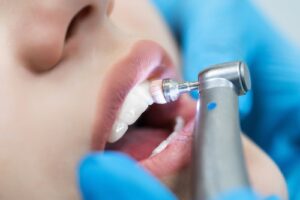
Teeth cleaning includes not only removing plaque and tartar from the teeth but also polishing them to remove surface stains and leave a smooth, glossy surface. This enhances the teeth’s aesthetics and increases the difficulty of plaque clinging to the tooth surfaces in the future. A revolving brush or rubber cup filled with polishing paste is usually used for polishing teeth. This method gently buffs away stains without causing any harm to the enamel.

In addition to cleaning your teeth, the dentist can give you personalized advice on how to maintain good oral hygiene, which includes brushing and flossing. To address any specific issues or conditions, like sensitivity or gum inflammation, they might suggest certain dental products, like toothpaste or mouthwash.

Though the frequency may vary based on individual factors like oral health status, risk factors for oral diseases, and personal hygiene habits, routine teeth cleaning appointments are generally advised every six months. Some people, like those receiving orthodontic treatment or those with a history of gum disease, might need more frequent cleanings.

For best dental health, a regular at-home oral hygiene regimen is crucial in addition to professional teeth cleaning. This entails using fluoride toothpaste to brush teeth at least twice a day, flossing every day to get rid of food particles and plaque in between teeth, and using mouthwash to help kill germs and freshen breath.

In general, maintaining dental health and avoiding dental issues greatly depend on routine teeth cleaning. Professional cleanings help to maintain a healthy smile and lower the risk of cavities, gum disease, and other oral health problems by removing plaque, tartar, and stains from the teeth. A lifetime of healthy teeth and gums can be achieved with routine teeth cleaning sessions in addition to practicing good oral hygiene at home.

What is Veneer?

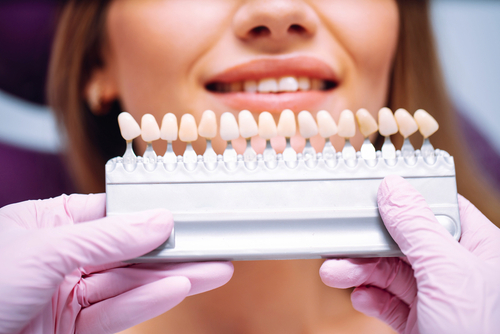
Veneers are thin shells that are custom-made to cover the front surface of teeth. They are usually made of porcelain or composite resin. They are a common cosmetic dentistry procedure used to treat problems like discoloration, misalignment, chips, or gaps in teeth in order to improve their appearance. Veneers are painstakingly made to blend in perfectly with the natural teeth, giving the smile a pleasing appearance.

The ability of veneers to change teeth’s appearance in a reasonably short period of time is one of their main benefits. Veneers can immediately address a range of aesthetic flaws, in contrast to traditional orthodontic treatments that may take months or even years to produce desired results. Veneers are an effective way to hide imperfections such as discolouration, uneven edges, and minor crookedness, giving the appearance of a more uniform and appealing smile.

Furthermore, because veneers require little modification to the natural tooth structure, they provide a conservative approach to cosmetic dentistry. The integrity of the underlying tooth is often preserved by only removing a small amount of enamel in order to make room for the veneer. Because of this, veneers are a flexible choice for people who want to improve their smiles without having to have major dental work done.

Veneers are also incredibly stain- and wear-resistant, making them a long-lasting option for a brilliant smile. Particularly porcelain veneers are renowned for their durability and resistance to normal wear and tear. Veneers can give patients long-lasting confidence in their smiles with the right upkeep and care. Veneers can last for many years.

Getting veneers usually entails a few steps, starting with a consultation to go over expectations and treatment goals with a cosmetic dentist. The dentist will examine the teeth during the first appointment and decide if veneers are the best course of action. In that case, the teeth must be prepared by filing down a small portion of the enamel to make room for the veneers. After that, a dental laboratory receives an impression or digital scan of the teeth, which is used to create veneers that are precisely tailored to fit each tooth.

When the veneers are prepared, a strong dental adhesive is used to bond them to the teeth, guaranteeing a stable and long-lasting bond. Before making any last-minute changes, the dentist will carefully assess the veneers’ fit and appearance. With the right maintenance, such as consistent brushing, flossing, and dental exams, veneers can give patients a stunning, self-assured smile for many years to come.

In summary, veneers provide a flexible and successful way to improve the look of teeth and create a radiant smile. Veneers offer patients a long-lasting, minimally invasive cosmetic dental treatment for issues like discoloration, chips, gaps, or misalignment. Veneers are still a popular option for people who want to improve the appearance of their smiles and feel more confident because of their long-lasting design and natural-looking results.

Dental Crowns

Crowns, another name for dental prosthetics, are used to restore or replace teeth that have decayed or been damaged. They are intended to improve the tooth’s appearance while restoring its size, strength, and shape. Crowns are usually cemented into place and are custom-made to fit over the entire tooth, starting from the gum line. Porcelain, ceramics, metal alloys, and combinations of materials can all be used to create them. Every kind of material has benefits of its own and is selected according to the tooth’s location, degree of damage, and aesthetic preferences, among other things.

To restore the structural integrity of a tooth that has suffered significant damage from decay, trauma, or other dental issues is one of the main reasons dental crowns are recommended. A crown offers the required support to stop additional damage and save the tooth when it is weak or has a large cavity that cannot be adequately filled. A crown serves as a barrier to prevent further decay or fracture by covering the entire surface of the tooth.

Furthermore, teeth that are discolored, malformed, or otherwise unattractive can be improved in appearance with dental crowns. Crowns made of porcelain or ceramic material closely resemble the color and translucency of natural teeth, which makes them the perfect material to restore front teeth. These materials can be made to match the color and structure of neighboring teeth, creating a smile that blends seamlessly and looks natural. Metal or porcelain-fused-to-metal crowns might be suggested for teeth that are not very noticeable or that need more strength.

Dental crowns not only provide functional and aesthetic advantages, but they can also enhance oral health in general. A crown restoration aids in preserving the natural alignment and function of the bite of the tooth. This lessens the chance of temporomandibular joint (TMJ) issues and stops nearby teeth from moving out of position. A crown also keeps bacteria from penetrating the tooth’s inner layers and causing infection or inflammation by sealing off the damaged area.

Typically, receiving a dental crown necessitates two dental appointments. The tooth is prepared for the crown during the initial appointment by extracting any decayed or damaged tissue and reshaping it. After that, a dental laboratory receives an impression or digital scan of the tooth, which is used to create a custom crown. To preserve the tooth in the interim, a temporary crown might be inserted. During the second appointment, the permanent crown is cemented into place, guaranteeing a snug and comfortable fit.

All things considered, dental crowns are essential for maintaining and repairing the strength and beauty of teeth. Crowns provide strong, long-lasting solutions for a range of dental issues, whether they are used to improve the appearance of a tooth or strengthen a weak tooth. Patients can regain confidence in their smile and achieve optimal oral health by collaborating closely with a skilled dentist like Dr. Patel.