In order to detect signs of oral cancer or precancerous conditions at the earliest stages, when treatment is most effective, oral cancer screening is a preventive measure. In order to find any anomalies or suspicious lesions that might point to the existence of oral cancer, a complete examination of the mouth is performed, covering the lips, gums, tongue, cheeks, palate, and throat.
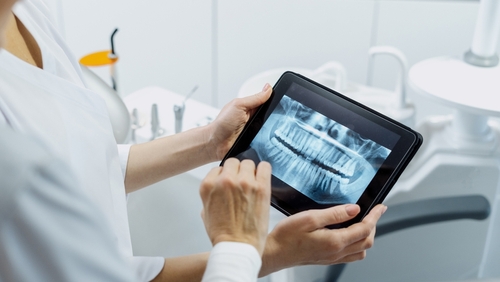
Finding possible early indicators of oral cancer is the main objective of screening for the disease, either before symptoms appear or the cancer has spread to a more advanced stage. For those with an oral cancer diagnosis, early detection greatly improves prognosis and increases the likelihood of a successful course of therapy. Early detection of oral cancer often results in a better prognosis and increased responsiveness to treatment.
A dental or oral surgeon, for example, will visually examine the tissues inside the mouth to look for any abnormalities, such as lumps, bumps, sores, or discolored patches, during an oral cancer screening. In order to find any anomalies in texture or consistency, they might also palpate or feel the tissues. To help identify abnormal tissues, certain diagnostic tests and screening methods, like fluorescence visualization or toluidine blue staining, may be employed.
Oral cancer is more likely to occur in those who have one or more risk factors, so routine screenings for the disease may be beneficial. These risk factors include exposure to the human papillomavirus (HPV), heavy alcohol consumption, a history of precancerous lesions or oral cancer, and tobacco use (including smoking and smokeless tobacco).
Depending on personal risk factors and medical professionals’ recommendations, the frequency of oral cancer screenings may change. It may be advised to screen more frequently for people who are at higher risk, such as smokers or those with a family history of oral cancer. For the majority of people, routine dental examinations, which usually include an oral cancer screening as part of the examination, are advised every six months.
It is imperative that people take charge of their oral health and notify their healthcare provider right away of any worrisome symptoms, such as chronic hoarseness, difficulty swallowing or chewing, or changes in the appearance of oral tissues. Effective management of oral cancer and better outcomes for those impacted by the disease depend on early detection and prompt intervention.
To sum up, oral cancer screening is an important method for identifying and preventing oral cancer early on. Healthcare professionals can improve outcomes for individuals at risk by promptly initiating treatment upon identifying potential signs of oral cancer in its early stages. Maintaining oral health and lowering the incidence of oral cancer depend heavily on routine dental examinations as well as knowledge of risk factors and symptoms.